
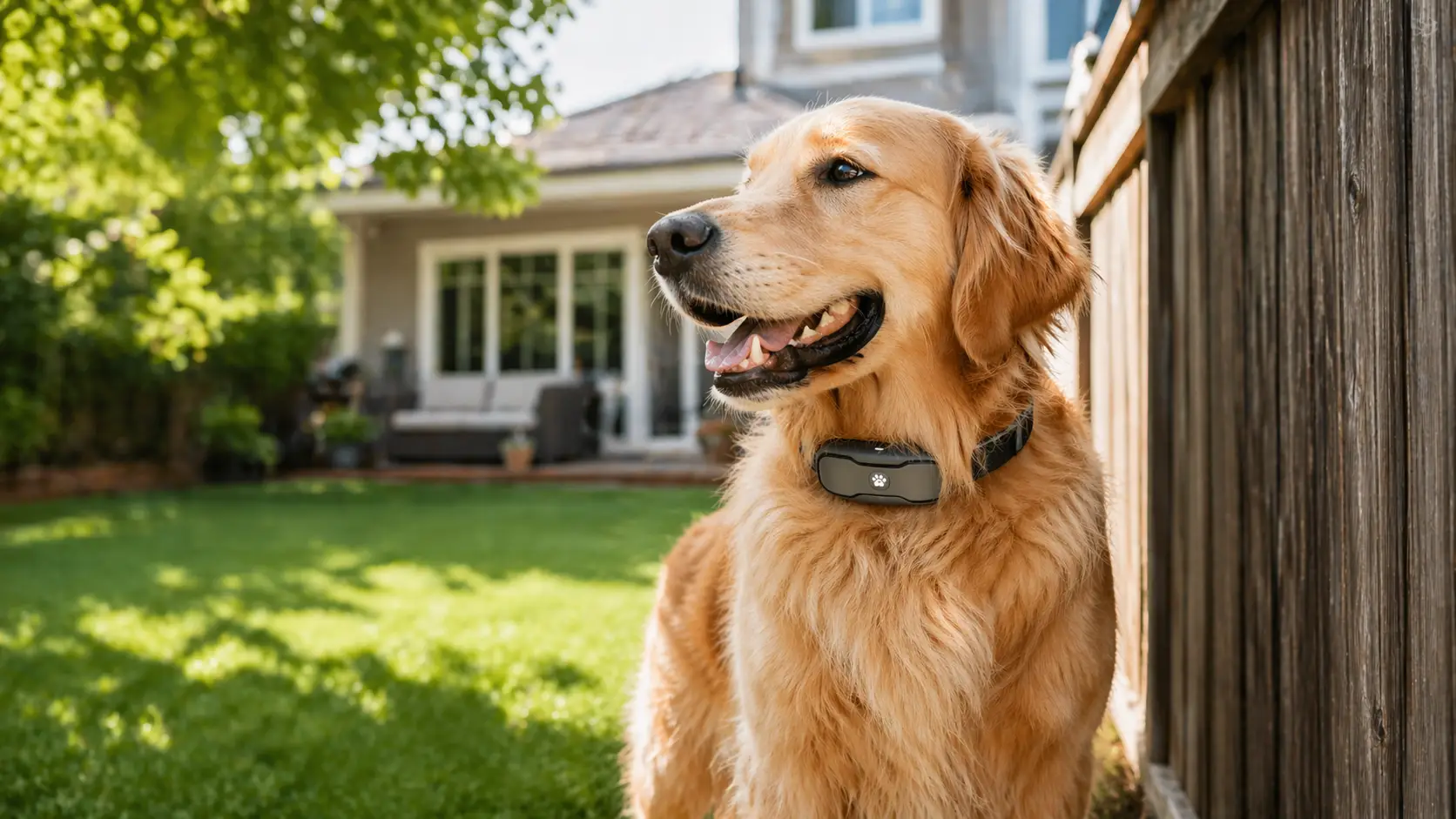
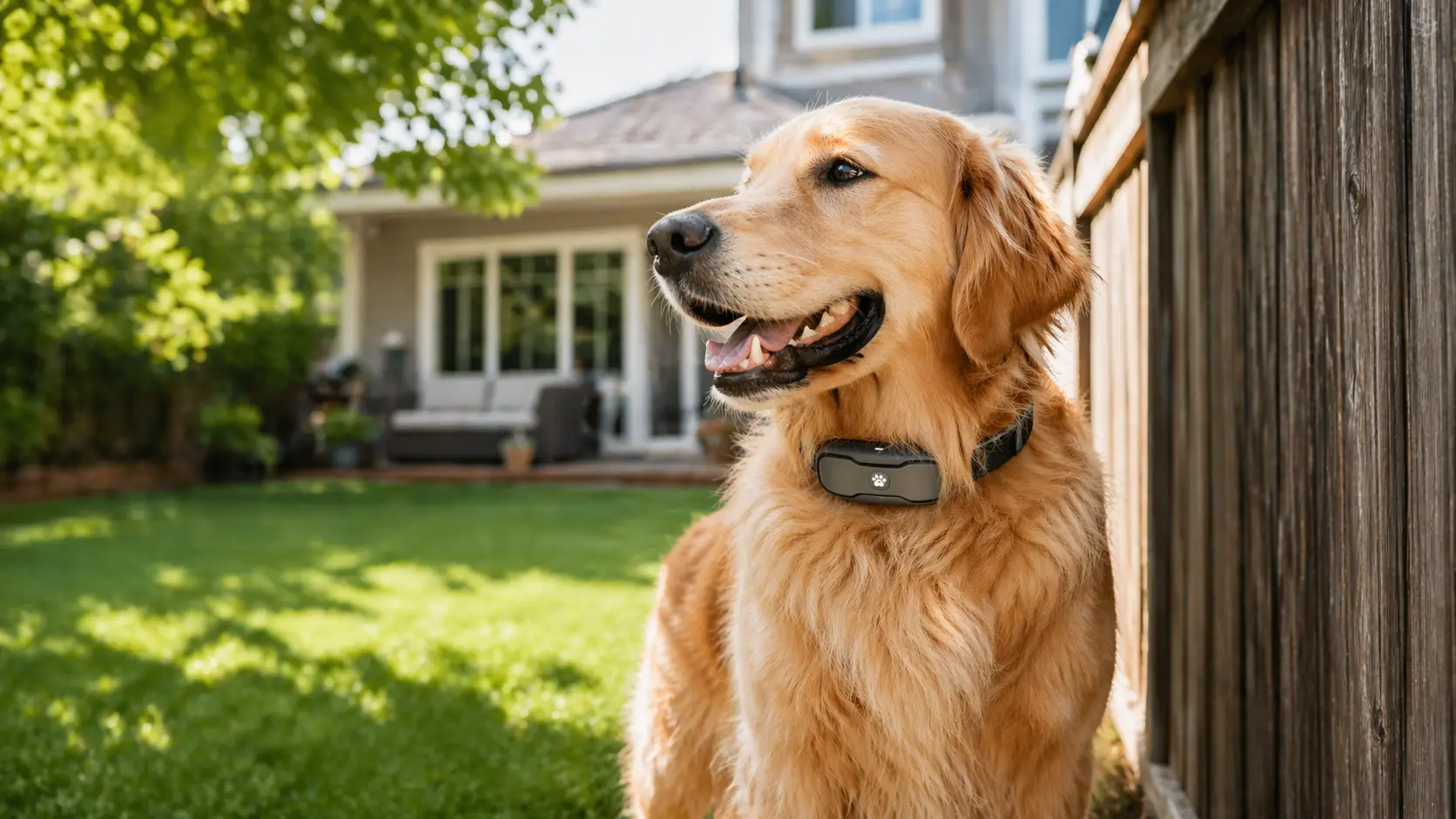
If you are frantically searching for the best GPS dog collars for escape artists, I know exactly what kind of anxiety you are dealing with right now.
It’s 9 PM. You just let your dog out for a quick pee. Thirty seconds later, you realize the gate didn’t latch properly. Your dog is gone. Again.
If you have an escape artist—a Husky, a Terrier, a Hound, or a dog who treats every fence like a mere suggestion—you already know that sinking feeling. The “she’ll be fine” lie you tell yourself, the flashlight beam cutting through the dark, the calling neighbors at midnight. I’ve been there.
That’s why I stopped trusting marketing brochures and started tearing down these devices. As someone with 10 years of experience in consumer electronics sourcing, I tested every major GPS collar on the market to find out what actually works for dogs who will find a way out.
Bottom line: If your dog has ever escaped, don’t wait for tragedy. A true cellular GPS collar is not a luxury—it’s a technological safety net that costs less than a single emergency vet visit.
⚡ TL;DR: Top Picks at a Glance
Fi Series 3
Best Overall. Dual-network LTE (AT&T + Verizon), 3-month battery, indestructible stainless steel frame. ~$130 upfront + ~$8-15/month.
Tractive GPS
Best Budget. Lightweight, global roaming across 150+ countries, incredible 2-3s real-time live tracking. ~$50 upfront + ~$5-8/month.
Garmin Alpha 300i Bundle
Best for Off-Grid. VHF radio + Satellite, zero monthly fees, unlimited range. ~$1,150 (Handheld + TT25 Collar).
What’s in this Guide:
What Makes the Best GPS Dog Collars for Escape Artists Actually Work?
Before we look at the brands, we need to establish what separates a toy from a life-saving device. An escape artist doesn’t just trot down the sidewalk. They squeeze under rusty chain-link fences, sprint through dense brush, and cross multi-lane roads. The hardware has to survive this.
1. Tensile Strength (The Mounting Mechanism)
I see cheap $40 Amazon trackers that attach to the collar with a thin rubber band. When a 60lb Husky squeezes under a wooden fence, the friction will pop that rubber band right off. You end up tracking a piece of rubber in your neighbor’s yard while your dog is three miles away. The best GPS dog collars for escape artists weave the collar strap through the device’s housing or use reinforced mounting channels that can withstand hundreds of pounds of pull force.
2. The Ping Rate Math (Latency Kills)
Here is a terrifying math problem: A frightened dog can run at 20 to 30 miles per hour. If your GPS collar is designed to save battery by only updating its location every 3 minutes, your dog can travel 1.5 miles between updates. When you arrive at the pin on your map, the dog is already in another zip code.
This is why Live Tracking Mode is non-negotiable. You need a device equipped with an LTE-M modem that can drop its ping rate to every 2-5 seconds the moment you declare the dog lost.
Why Standard Collars Fail for Escape Artists
Your dog’s IQ is working against you. Terriers, Huskies, Border Collies, and any dog with “hound” in their DNA? They’re not just pets—they’re escape engineers. They figure out gate latches, dig under fences, and bolt through the slightest opening.
Here’s the hard truth: a regular collar does nothing when your dog is 500 feet away. And as we detailed in our GPS vs Bluetooth RF teardown, trying to use an Apple AirTag on a running dog in a suburban or rural area is equally useless. You need real GPS because:
- Real-time location — Know exactly where your dog is within seconds.
- Geofence alerts — Get an instant push notification the moment they breach the yard perimeter.
- Location history — See the exact path they took to identify weak points in your fence.
- Multi-network LTE coverage — Ensures tracking works even in rural dead zones.
Side-by-Side Comparison
| Feature | Fi Series 3 | Tractive GPS | Garmin Alpha 300i |
|---|---|---|---|
| Hardware Cost | ~$130 | ~$50 | ~$1,150 (Bundle) |
| Monthly Fee | ~$8-15/mo | ~$5-8/mo | None (Radio Freq) |
| Battery Life | Up to 3 months | 2-5 days | Up to 55 hours |
| Network | LTE (AT&T + Verizon) | LTE (Global Roaming) | VHF + Satellite |
| Waterproof | IP68 (1.5m) | IPX7 | 10 ATM |
Fi Series 3: The Smart Choice
The Fi Series 3 is the gold standard for suburban escape artists. It’s not the cheapest, but it delivers where it counts: physical reliability, battery life, and smart firmware.
The Hardware Wins
- 316L Stainless Steel: The housing is vacuum-cast metal with a tensile strength of 520 MPa. It is structurally impossible for a dog to break this off.
- Dual-Network LTE: Uses both AT&T and Verizon IoT networks. If one drops, the baseband modem switches to the other.
- Dynamic Sleep Mode: Deep-sleeps the GPS when connected to home Wi-Fi, stretching battery to months.
The Trade-offs
- Requires a mandatory subscription.
- US-centric cellular coverage (poor roaming).
- At 32g, it’s slightly too chunky for toy breeds under 10 lbs.
Who it’s for: Suburban dog owners who want set-it-and-forget-it peace of mind. The battery life alone makes it worth it—no charging every few days.
Tractive GPS: Budget Warrior
If Fi is the iPhone of dog GPS, the Tractive GPS is the reliable Android—less flashy housing, but it gets the job done at half the upfront price.
Tractive has been in the pet GPS game since 2012, and it shows. The hardware is solid plastic, the app is straightforward, and the embedded eSIM has roaming agreements with carriers in over 150 countries.
Tractive GPS Key Features
- Live Tracking Mode — Updates every 2-3 seconds. This is the ultimate feature for catching a dog mid-sprint.
- Location History — View up to 365 days of movement.
- Virtual Fence — Create custom polygon safe zones, not just circles.
- Global Roaming — Take your dog to Europe or Mexico seamlessly.
The catch: Battery life is only 2-5 days with live tracking enabled. You’ll be charging this thing frequently, which is the necessary trade-off for its smaller footprint and aggressive ping rate.
Garmin Alpha 300i: The Pro Option
The Garmin Alpha 300i is in a different league entirely. It’s not a consumer gadget; it’s a complete tracking and training system used by professional dog handlers, hunters, and K-9 units.
Unlike Fi and Tractive (which require cellular networks), Garmin uses 900MHz VHF radio waves for the primary connection. This means it works perfectly in areas with zero cell coverage—deep national forests, remote trails, wide-open ranch land. The collar broadcasts directly to the handheld topography screen you carry.
Garmin Alpha Key Features
- VHF Radio — Works without cell service up to 9 miles (line of sight).
- InReach Satellite Technology — The handheld has an Iridium modem for SOS text messages.
- Training Collar Integration — Vibration, tone, and static stimulation options.
- Multi-dog tracking — Track up to 20 dogs simultaneously.
The catch: At ~$1,150 for the full bundle, this is a massive investment. You must carry the bulky handheld receiver with you.
The Final Verdict: Which One Should You Buy?
When evaluating the best GPS dog collars for escape artists, the Fi Series 3 is the right answer for 90% of dog owners. It balances upfront cost, battery life, and structural reliability perfectly. Yes, you pay a monthly subscription—but that’s the necessary cost for the IoT cellular data required to find your dog in seconds.
If your dog has escaped even once, you know that panic. The racing heart, the flashlight beam scanning dark yards, the “please come home” prayer. A GPS collar won’t stop them from digging under the fence—but it will make sure you find them before they cross a busy highway.
Don’t wait for the night they don’t come home.
Frequently Asked Questions
Do I really need a GPS collar if my dog is microchipped?
Yes. A microchip is passive RFID technology—it only helps if someone finds your dog, captures them, and takes them to a vet to be scanned. A GPS collar is active—it contains a cellular modem that texts you exactly where they are right now. Microchips don’t prevent lost dogs; GPS collars help you hunt them down.
Can I use an Apple AirTag on my dog instead?
No. AirTags require an iPhone to be within 30 feet to report location. If your dog runs into a rural area, a large park, or crosses into territory without pedestrians, you’ll get absolutely no signal. As a secondary backup on the harness, it’s fine. As a primary tracker for an escape artist, it’s a terrible idea.
What’s the true monthly cost?
Fi: ~$8-15/month depending on the plan. Tractive: ~$5-8/month. Garmin: None (but a massive upfront cost). For most owners dealing with an escape artist, the monthly fee is the necessary cost of maintaining the cellular IoT connection to the collar.

Hi, I’m Lewis Lee.
I spent over 10 years in Shenzhen sourcing PCBA modules, testing antennas, and auditing electronics factories. I started PawsWired to cut through the marketing fluff and bring real, component-level teardowns to the pet tech industry. If a product cuts corners on safety, I’ll show you exactly where.